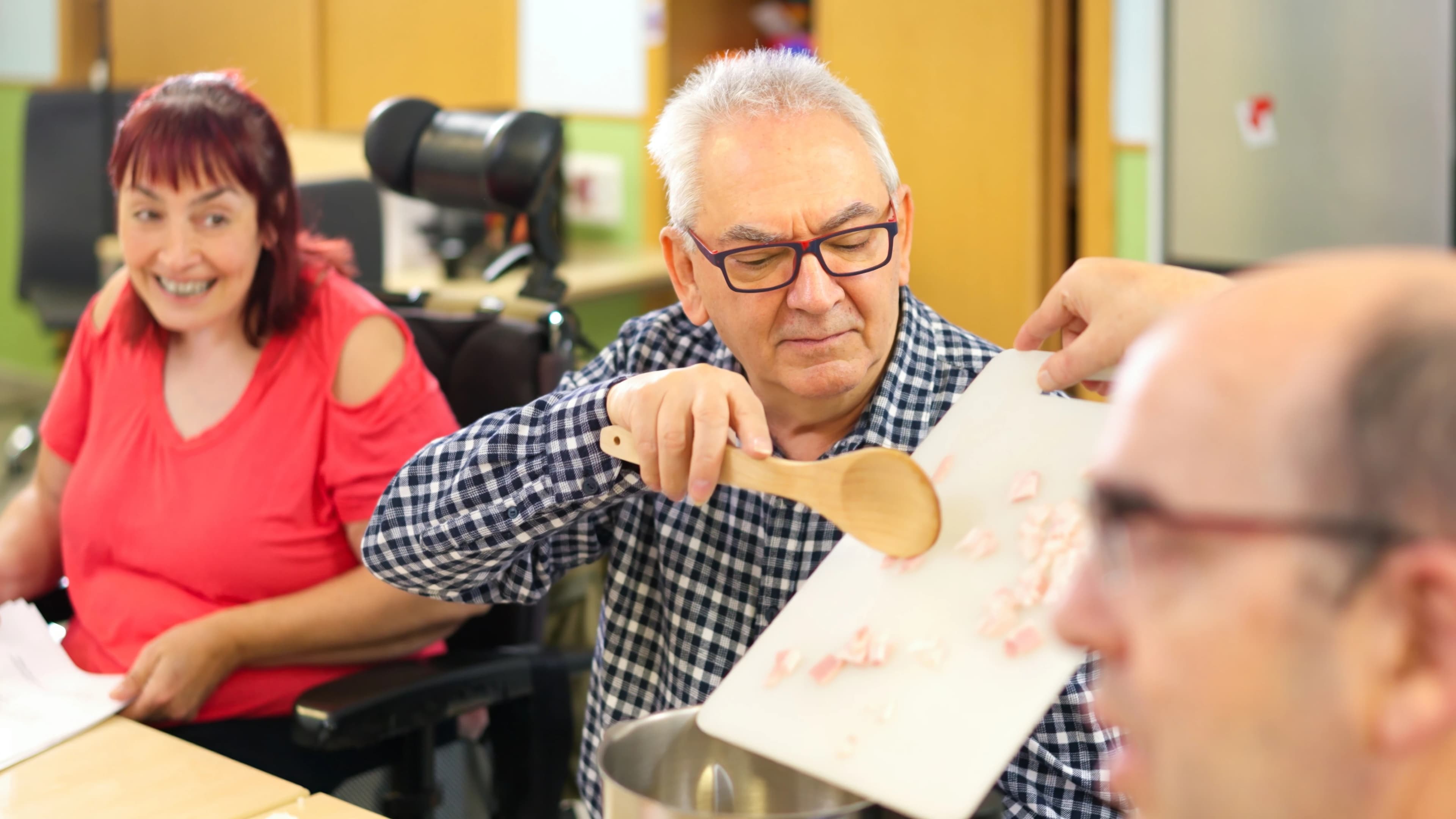
Why Choosing Home Care Helps Seniors Thrive — Not Just Survive
When most people think of home care, they imagine help with basic tasks: preparing meals, assistance with showering, or medication reminders. While these are important elements, home care is about so much more. It's about creating an environment where seniors can continue to grow, engage, and live fulfilling lives in the comfort of their own homes.
The Difference Between Surviving and Thriving
Surviving means meeting basic needs — staying fed, clean, and safe.
Thriving means: - Maintaining meaningful relationships - Pursuing interests and hobbies - Feeling valued and heard - Having purpose and autonomy - Continuing to learn and grow - Staying connected to community - Experiencing joy and fulfillment
Quality home care focuses on thriving, not just surviving.
How Home Care Promotes Thriving
1. **Maintaining Independence and Control**
Aging doesn't mean giving up control of your life. Home care allows seniors to: - Make daily decisions about routines, meals, and activities - Live in familiar surroundings with cherished possessions - Maintain privacy and personal space - Choose when and how to receive support - Adapt their environment to their needs
The impact: Research shows that maintaining independence is directly linked to better mental health, higher self-esteem, and improved overall wellbeing.
2. **Staying Connected to Community**
Social isolation is a significant risk for older adults, contributing to depression, cognitive decline, and physical health problems.
Home care helps seniors stay connected by: - Supporting attendance at community events and activities - Facilitating visits with friends and family - Encouraging participation in clubs, groups, or religious communities - Providing transport to social gatherings - Building relationships with consistent, caring support workers
The impact: Regular social interaction improves mood, cognitive function, and even physical health outcomes.
3. **Pursuing Meaningful Activities**
With support for daily tasks, seniors have more energy and time for activities they enjoy: - Hobbies and creative pursuits - Gardening and outdoor activities - Learning new skills or taking classes - Volunteering and giving back to community - Spending quality time with loved ones
The impact: Engagement in meaningful activities gives life purpose and joy, combating feelings of uselessness or boredom.
4. **Supporting Physical and Mental Health**
Beyond basic care, home support can include: - Exercise programs tailored to abilities - Nutrition support beyond just meal prep — education about healthy eating - Medication management to prevent complications - Mental health support including counseling or therapy - Cognitive activities to maintain mental sharpness - Health monitoring to catch issues early
The impact: Proactive health support prevents crises, reduces hospitalizations, and supports overall vitality.
5. **Respecting Identity and Life History**
Seniors aren't defined by their age or care needs. They're individuals with rich histories, experiences, and preferences.
Home care that promotes thriving: - Honours cultural traditions and practices - Respects personal routines and preferences - Recognizes individual strengths and capabilities - Celebrates achievements and milestones - Maintains dignity in all interactions
The impact: Feeling seen and valued as a whole person is fundamental to emotional wellbeing.
6. **Family Relationships Remain Relationships**
When family members become primary caregivers, it can strain relationships. Home care allows families to: - Spend quality time together without the stress of caregiving tasks - Focus on emotional connection rather than physical care - Maintain parent-child or spouse relationships as they were meant to be - Reduce caregiver burnout and resentment
The impact: Healthier, more positive relationships with loved ones.
Real-Life Examples of Thriving With Home Care
Margaret's Story At 78, Margaret was struggling with mobility after a hip replacement. Initially, she just needed help with showering and dressing. But her support worker noticed Margaret's love of painting sitting unused. With encouragement and practical support, Margaret started painting again. She now exhibits her work at a local community center and has made new friends through an art group.
Tom's Story Tom, 82, felt isolated after his wife passed away. His children arranged home care for meal preparation and household tasks. His support worker learned Tom had been a keen chess player. She helped him join an online chess community and a local club. Tom now plays chess three times a week and has a renewed sense of purpose.
Helen's Story Helen, 75, has early-stage dementia. Her family worried she'd need to move to residential care. With the right home support — including memory activities, structured routines, and community engagement — Helen continues to live independently, attend her book club, and help care for her granddaughter one afternoon a week.
The Science Behind Thriving at Home
Research consistently shows that aging in place with appropriate support leads to: - Better health outcomes — lower rates of depression, better management of chronic conditions - Longer lifespans — seniors in their own homes with support often live longer than those in residential care - Higher satisfaction — most seniors report greater happiness living at home - Better cognitive function — familiar environments and ongoing community engagement protect cognitive health - Reduced hospitalizations — proactive support prevents emergencies
What Quality Home Care Looks Like
Home care that supports thriving includes:
Person-Centred Approach - Care plans built around individual goals and preferences - Regular reviews and adjustments as needs change - Flexibility to try new activities or change routines - Respect for autonomy in all decisions
Holistic Support - Addressing physical, emotional, social, and spiritual wellbeing - Coordination with healthcare providers - Family involvement and communication - Connection to community resources
Skilled, Compassionate Staff - Trained in both practical care and relationship-building - Consistency — same workers where possible - Cultural sensitivity and respect - Genuine care about client wellbeing
Proactive Planning - Anticipating needs before they become crises - Regular health and safety assessments - Adaptation as circumstances change - Goal-setting and celebration of achievements
Making the Choice for Thriving
If you're considering home care for yourself or a loved one, ask: - What brings you joy and purpose? - What activities or connections matter most? - What would make each day feel meaningful? - How can support enhance, not limit, your life?
The right home care provider will help answer these questions and build a support plan that goes beyond survival to enable true thriving.
Care 4 Home: Supporting Seniors to Thrive
At Care 4 Home, we believe every person deserves to thrive, regardless of age or care needs. Our services focus on: - Person-centred goal planning — your priorities drive our support - Holistic wellbeing — addressing all aspects of quality of life - Community connections — helping you stay engaged and active - Skilled, compassionate staff — trained to see the person, not just the care needs - Flexible services — adapting to your changing needs and goals
We're not just providing tasks — we're partnering with you to make every day meaningful.
Ready to learn how home care can help you or your loved one thrive? Contact Care 4 Home today for a consultation. Let's talk about what matters most to you.